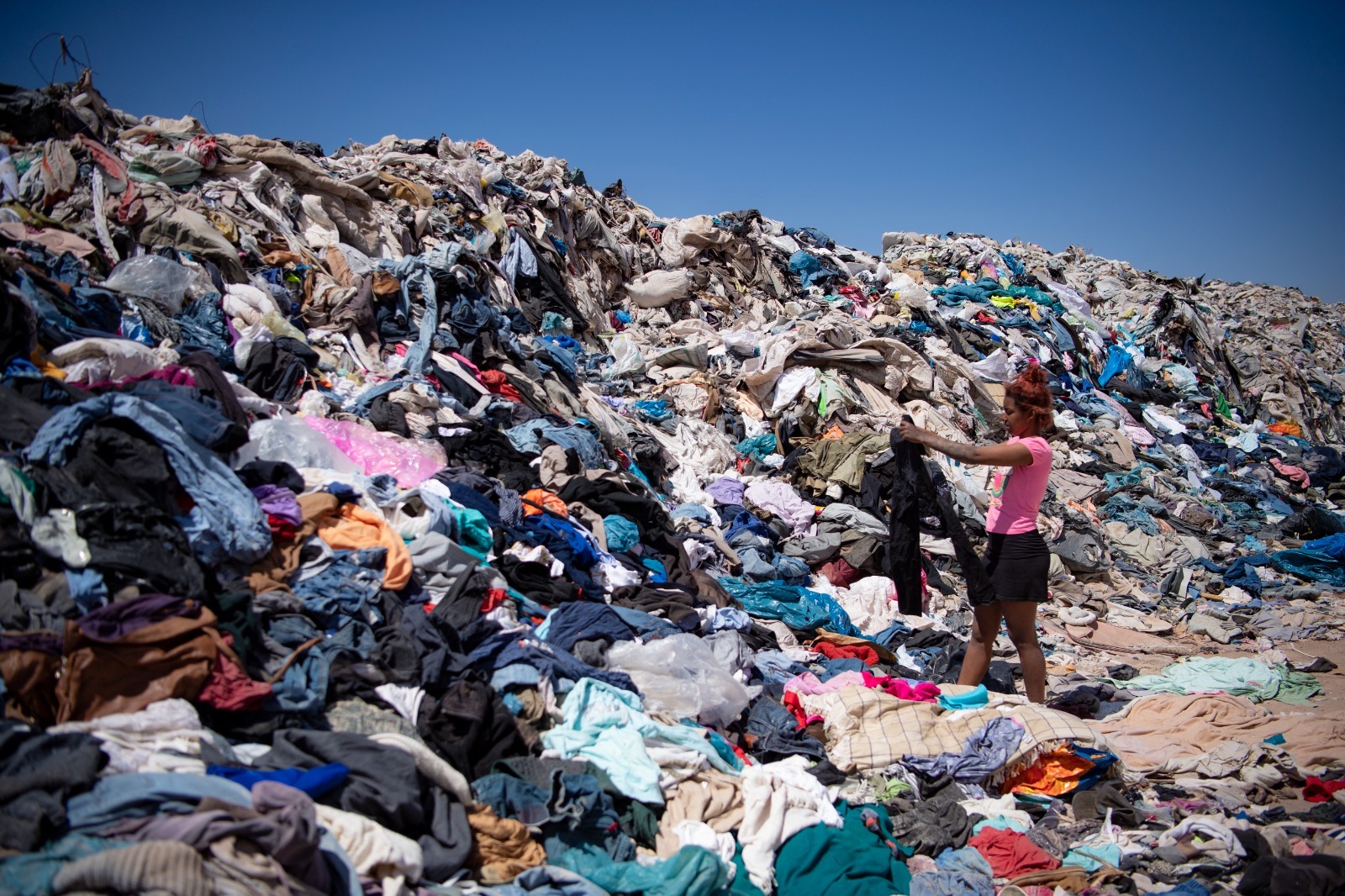
One of the main advantages is the positive impact on the environment. The fashion industry is one of the most polluting in the world, using large amounts of water, energy and natural resources.
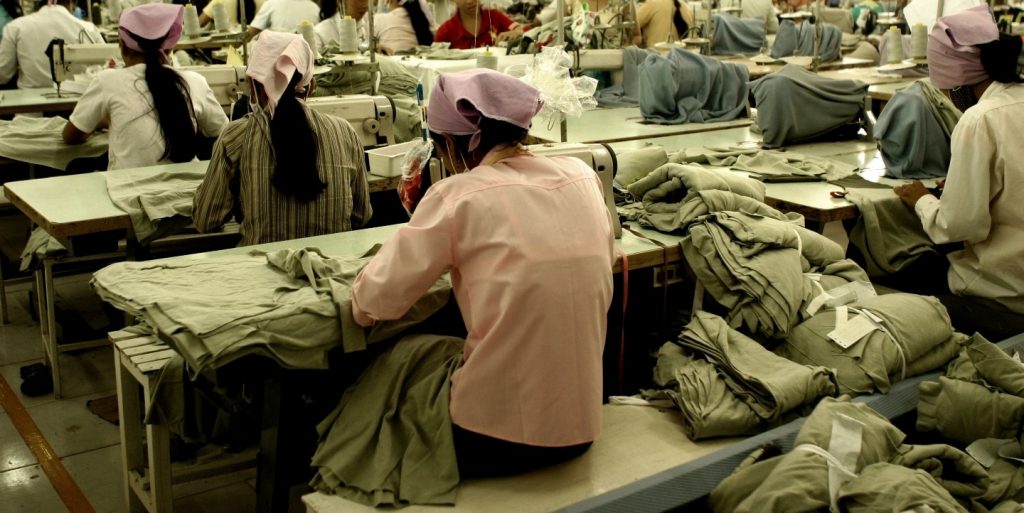
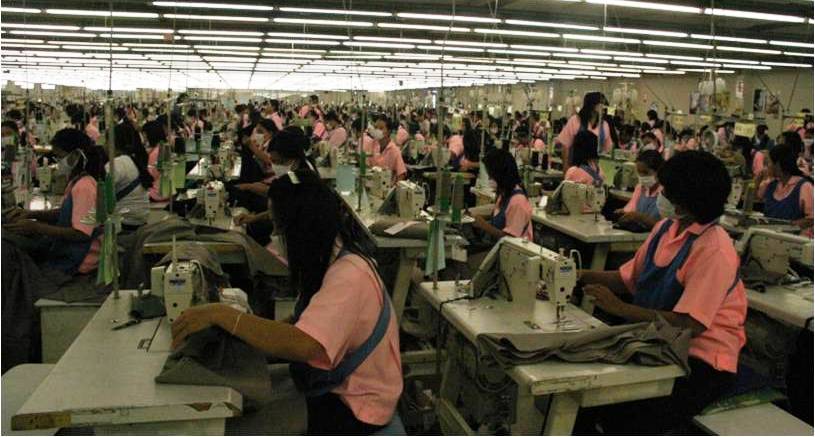
Second-hand clothing is also a good alternative to fast fashion from an ethical standpoint. Many brands manufacture their garments in developing countries, where workers earn far less than in Europe or North America. Moreover, these countries often have very precarious labour rights regulation. This doesn’t mean that everything we find in a vintage clothing store was made under ethical conditions — we can’t make that promise. However, we are at least contributing to giving these garments a second life, meaning no new garment had to be produced for us to wear one.
When a large part of the population becomes interested in buying clothes that already exist, this can translate into a decline in demand for new clothing production, which has a positive impact on the environment and the garment industry as a whole. When we buy second-hand clothes, we extend the life of garments and reduce the need to produce new ones. This helps decrease textile waste and reduce pollution.
In addition, vintage clothing often has superior quality to much of the clothing produced today. Many older garments were made with more durable materials and more careful craftsmanship. Buying vintage can mean acquiring long-lasting, well-made pieces at a much more affordable price.
Another very appealing aspect — possibly the one that resonates most at an individual level — is the possibility of having a unique style. Second-hand stores offer garments different from those found in major fashion chains. This allows you to create a personal and original style, without wearing exactly the same as everyone else. We’ve all been there: arriving at a party and seeing someone wearing the same shirt, something that is practically impossible with vintage clothing.
Finally, buying second-hand clothing can also support the local economy and community projects, as many vintage or second-hand stores are small businesses or social enterprises. This way we contribute to a more responsible form of consumption, supporting local commerce rather than buying from large multinationals.